DIY asteroid tracking highlights precise imaging trends in enthusiast optics
IEEE Spectrum reports that amateur astronomers can use modest, time-calibrated imaging setups to record asteroid occultations and help map asteroid shapes. For the smart-eyewear industry, the story underscores how lightweight sensors, timing accuracy, and responsible imaging practices are becoming more relevant across wearable and observational devices.
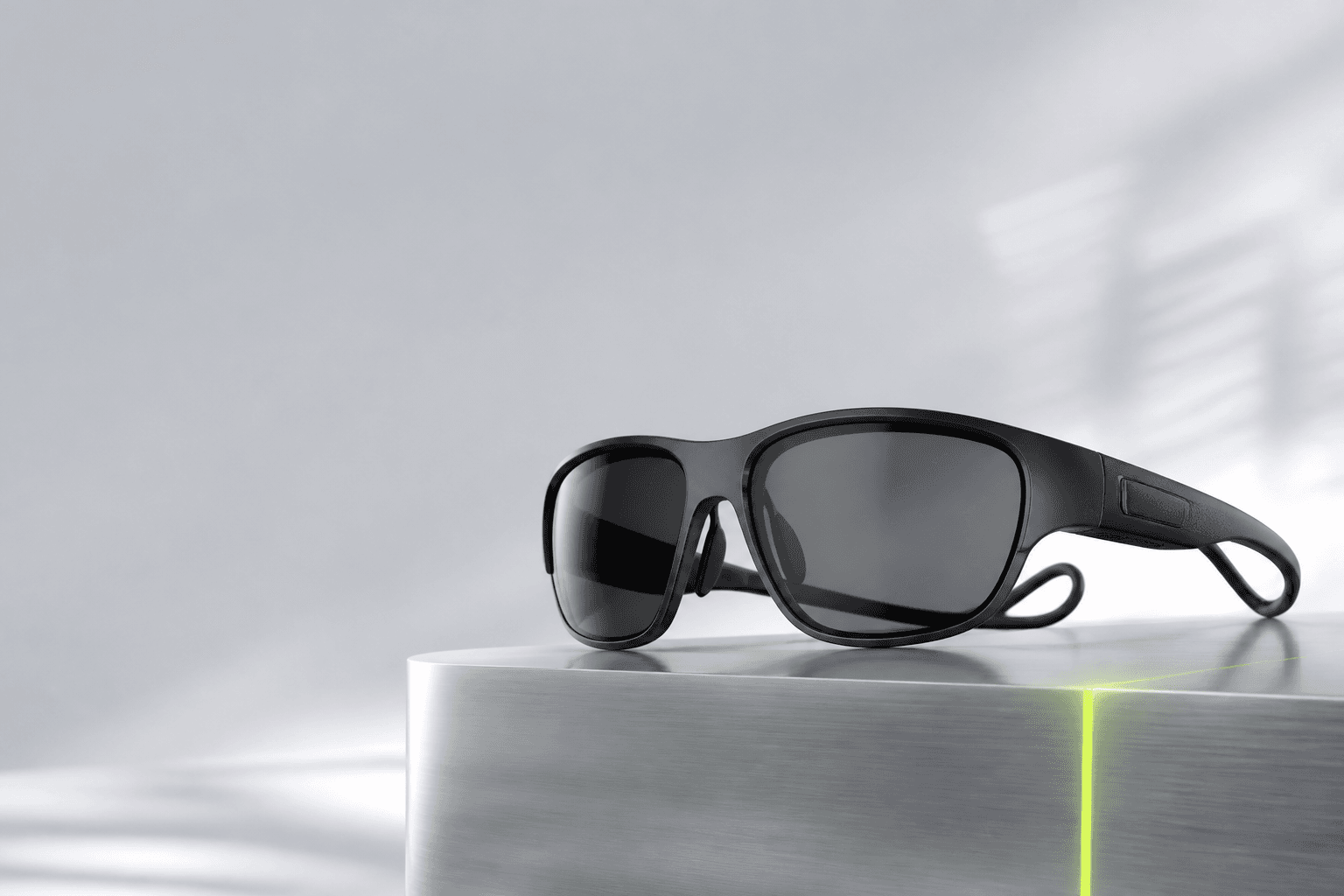
CoWin Glasses editorial illustration; not a depiction of the cited event.
News facts
IEEE Spectrum reports on a do-it-yourself approach to observing asteroid occultations, an event in which an asteroid passes in front of a distant star and briefly blocks its light as seen from Earth. According to the source, this creates a narrow, predictable moving shadow on part of Earth’s surface.
The article says amateur astronomers can contribute useful measurements because they can position themselves along the path of that shadow at the right time. With enough observers, their combined measurements can help reveal an asteroid’s shape. The source frames this as an area where distributed observers can capture data that large professional observatories may not easily gather, largely because the event is brief and location-specific.
IEEE Spectrum describes one example setup built around a modest Newtonian telescope, an equatorial mount, stepper-motor tracking, and an open-source controller. The report also describes the use of a relatively inexpensive astronomy camera capable of video-rate capture, plus free software from the International Occultation Timing Association to predict when and where occultations can be observed.
A central technical point in the article is timing. The source says observers who want to contribute data need more than ordinary computer time stamps, because those may be inaccurate for this purpose. Instead, the article explains the use of a GPS-based flasher with an LED pulse to calibrate image timing, reducing uncertainty to only a few milliseconds.
The article further notes that the size of the asteroid being measured does not simply scale with telescope size when the occulted star is bright enough. In that sense, the source presents occultation work as comparatively accessible to hobbyists working with limited budgets, provided they use appropriate timing and imaging methods.
Why this matters
For the optics and wearable-imaging industry, this report is not about smart glasses directly, but it does illuminate a broader direction in image capture: valuable data can come from compact, affordable, and well-timed systems rather than only from large, expensive platforms.
That matters because many smart-eyewear discussions focus on display design, form factor, or AI features, while the less visible enablers of trustworthy imaging are timing, sensor behavior, field of view, and calibration. IEEE Spectrum’s account shows that in some observational use cases, precision in capture and synchronization can be as important as raw hardware scale.
The rotating topic of wearable photography and privacy is only indirectly relevant here, yet still meaningful. The source describes imaging a celestial event, not people or private spaces. Even so, it highlights an important distinction for wearable cameras: imaging technology can serve scientific observation and measurement, not just casual recording. That broader context may influence how the public and manufacturers think about camera-equipped wearables.
What it means for smart-eyewear users
For smart-eyewear users, the clearest takeaway is conceptual rather than product-specific. Imaging systems are increasingly judged by whether they can capture events reliably and in context, not just whether they can record video. The source illustrates how synchronization and calibration turn imagery into more dependable observational data.
In practical terms, this supports a wider industry lesson: future wearable cameras may be evaluated not only for convenience, but also for metadata integrity, timing reliability, and the clarity of their imaging pipeline. Users interested in astronomy, field documentation, or other observational tasks may become more aware of these attributes.
The privacy lens also remains relevant. When wearable photography is discussed publicly, concerns often center on unnoticed or always-on capture in social environments. By contrast, the IEEE Spectrum example shows a non-social, purpose-driven use of imaging. That contrast may help the category communicate that cameras in lightweight devices can have legitimate specialist roles, even though privacy expectations must still be respected in human-centered settings.
Editorial analysis
From an editorial standpoint, the most important industry signal in this story is the normalization of distributed, precision imaging by noninstitutional users. Amateur astronomers using coordinated, low-cost equipment represent a form of edge sensing: many small nodes, placed in the right locations, collecting time-sensitive data.
That model has interesting implications for smart eyewear and adjacent wearable optics. It suggests a future in which useful visual data is gathered not only by flagship devices or centralized infrastructure, but by lightweight tools operated by individuals in the field. In industry terms, this reinforces the value of miniaturized cameras, stable capture, accurate timestamps, and software coordination.
However, it would be a mistake to overextend the comparison. The source is about telescopes, astronomy cameras, and occultation timing, not eyewear design or consumer wearables. No direct conclusion should be drawn that astronomy workflows are moving into glasses, or that any particular smart-eyewear company is implicated by this event. The more reasonable reading is that adjacent imaging markets continue to reward precision, affordability, and modularity.
On privacy, the article quietly offers another lesson. Public resistance to wearable photography often stems from ambiguity: what is being recorded, when, and why? Scientific imaging scenarios tend to reduce that ambiguity because the target, purpose, and timing are explicit. For the smart-glasses sector, that implies that trust may depend not only on device capability but also on clear signaling of intent, capture status, and use context.
In other words, the article supports a broader editorial view that imaging acceptance is partly a design problem and partly a social one. If low-cost imaging systems can contribute to scientific measurement when they are calibrated and purpose-specific, wearable imaging makers may likewise need to show that their products are controlled, transparent, and context-appropriate.
Source context
This analysis is based solely on an IEEE Spectrum article published on 2026-09-24 titled “Measure Distant Asteroids With a DIY Rig.” The source describes asteroid occultation observing by amateurs, including modest telescope hardware, video-rate imaging, prediction software from the International Occultation Timing Association, and GPS-based timing calibration using an LED flasher.
The source does not discuss CoWin Glasses, smart-eyewear products, consumer privacy rules, or commercial wearable-camera deployments. Any implications drawn here are editorial interpretations about broader imaging and wearable-technology trends, not reported facts from the article itself.